Korean Rehabilitation Medicine: Stroke Rehab, Mobility Therapy, and Recovery Programs for Foreigners

A complete guide to Korea’s advanced rehabilitation system for stroke, injury, and mobility recovery
A complete guide to Korea’s advanced rehabilitation system for stroke, injury, and mobility recovery
Korea is widely recognized for its advanced rehabilitation medicine system.
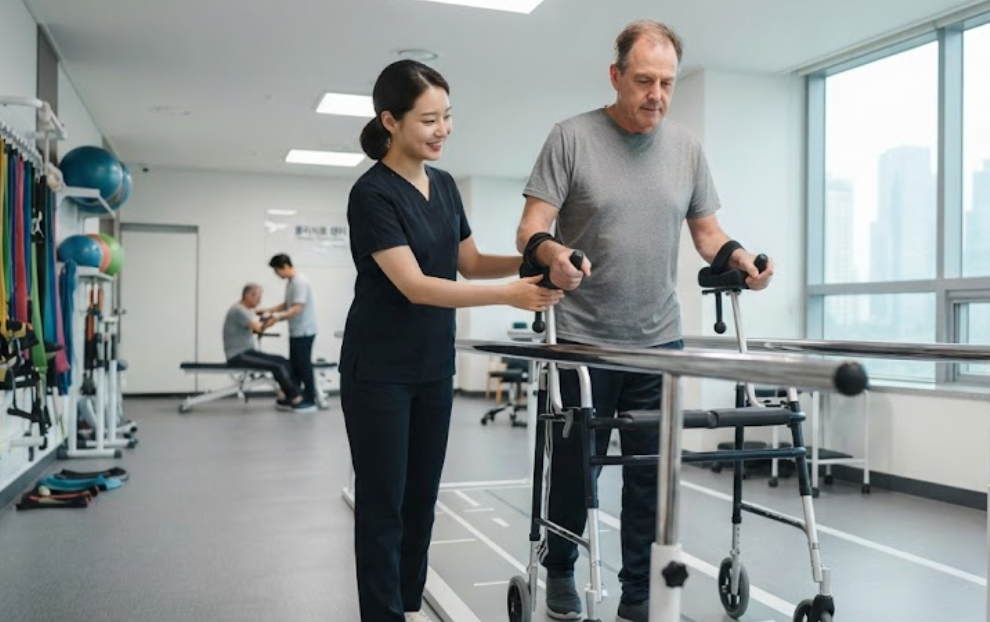
From stroke recovery to mobility therapy, Korean rehabilitation hospitals offer structured, evidence‑based programs that help patients regain independence faster than in many other countries.
Foreigners living in Korea often ask:
- How do I access rehabilitation therapy?
- What does stroke rehab look like in Korea?
- Does NHIS cover physical therapy?
- Are long‑term rehab hospitals available?
- Do clinics offer English support?
This guide explains everything foreigners need to know about rehabilitation medicine in Korea.
⭐ What Is Rehabilitation Medicine in Korea?
Rehabilitation Medicine (재활의학과) focuses on restoring physical function after:
- Stroke
- Brain injury
- Spinal cord injury
- Workplace accidents
- Fractures
- Chronic pain
- Neurological disorders
- Mobility decline
- Post‑surgery recovery
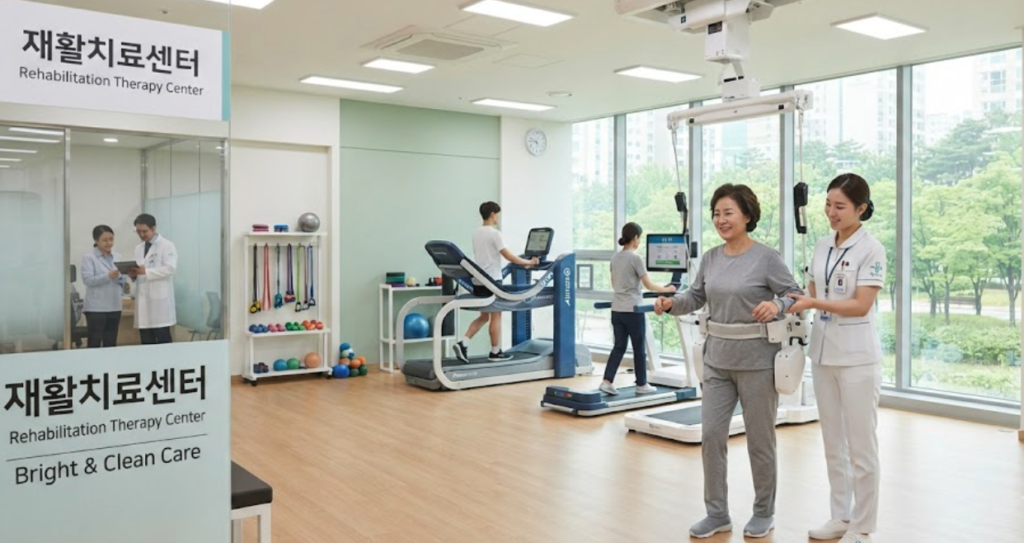
Korean rehab programs combine:
- Physical therapy (PT)
- Occupational therapy (OT)
- Speech therapy
- Neurological rehab
- Gait training
- Balance therapy
- Electrical stimulation
- Pain management
- Assistive device training
Korea’s system is structured, intensive, and highly coordinated.
⭐ Why Korean Rehabilitation Medicine Is Highly Rated
1) Intensive therapy programs
Korean rehab hospitals offer daily therapy sessions, often 1–3 hours per day, unlike many Western countries where therapy may be weekly.
2) Advanced equipment
Hospitals use:
- Robotic gait trainers
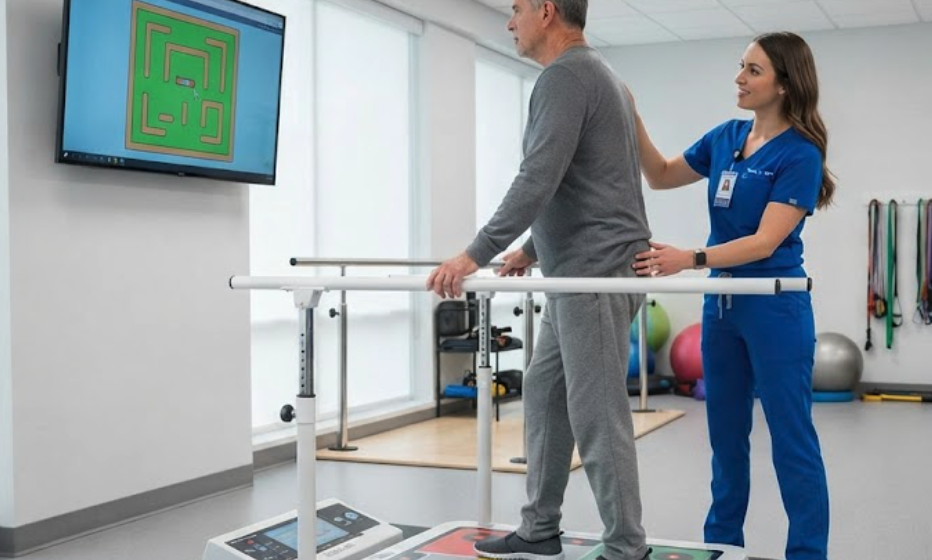
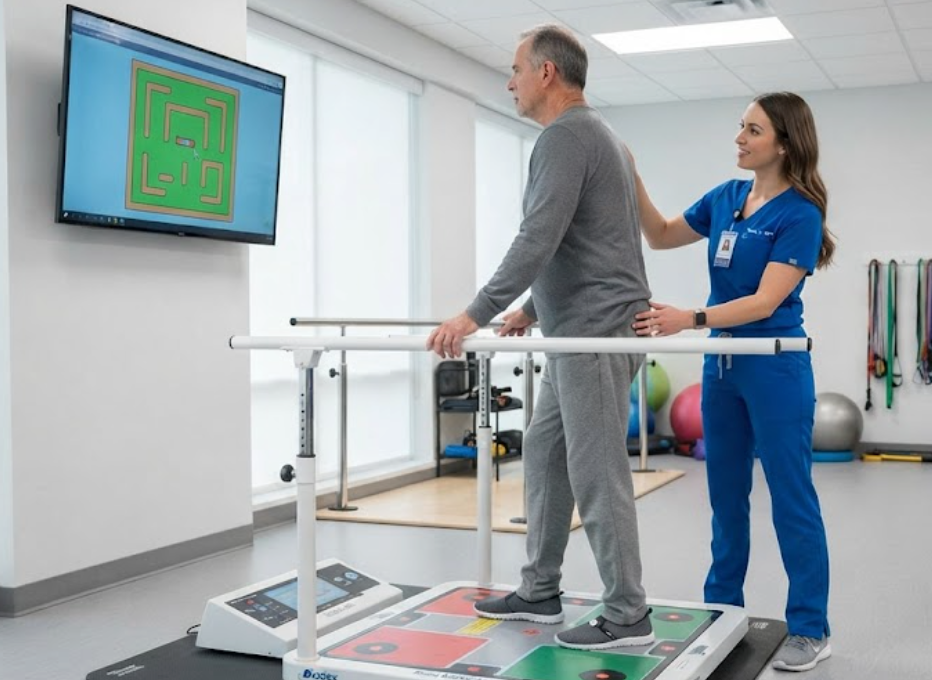
- Balance platforms
- Electrical stimulation devices
- Virtual reality rehab systems
- Hydrotherapy pools
3) Specialized rehab hospitals
Korea has dedicated rehabilitation hospitals (재활병원) that focus solely on recovery.
4) Strong stroke rehabilitation outcomes
Korea is known for early mobilization and structured stroke rehab, improving long‑term outcomes.
5) Affordable pricing
Rehab therapy is significantly cheaper than in the US or Europe.
⭐ Types of Rehabilitation Available in Korea
1) Stroke Rehabilitation (뇌졸중 재활)
Includes:
- Gait training
- Balance therapy
- Arm/hand function recovery
- Speech therapy
- Cognitive rehab
- Swallowing therapy
Stroke rehab begins within days of stabilization.
2) Mobility Therapy (보행 재활)
For patients with:
- Weakness
- Neurological injury
- Post‑surgery recovery
- Age‑related mobility decline
Robotic gait systems are commonly used.
3) Physical Therapy (물리치료)
Includes:
- Manual therapy
- Electrical stimulation
- Heat therapy
- Ultrasound therapy
- Strength training
4) Occupational Therapy (작업치료)
Focuses on:
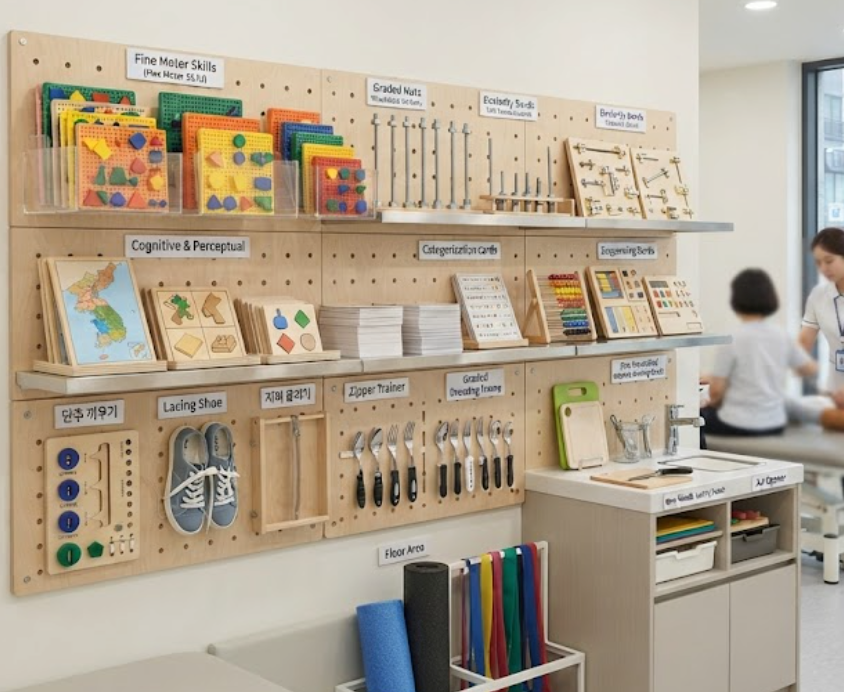
- Daily living skills
- Hand function
- Fine motor skills
- Cognitive tasks
5) Pain Rehabilitation (통증 재활)
For chronic pain:
- Back pain
- Neck pain
- Shoulder pain
- Knee pain
- Nerve pain
6) Post‑Surgery Rehab
After:
- Joint replacement
- Spine surgery
- Fracture repair
⭐ How Much Does Rehabilitation Cost in Korea?
Physical Therapy (PT)
- Without NHIS: ₩20,000–₩40,000 per session
- With NHIS: ₩5,000–₩12,000
Occupational Therapy (OT)
- Without NHIS: ₩30,000–₩60,000
- With NHIS: ₩10,000–₩20,000
Speech Therapy
- Without NHIS: ₩40,000–₩70,000
- With NHIS: ₩15,000–₩30,000
Rehab Hospital Admission
- Without NHIS: ₩150,000–₩300,000 per day
- With NHIS: ₩40,000–₩90,000 per day
Compared to the US (where PT can cost $100–$250 per session), Korea is extremely affordable.
⭐ Does NHIS Cover Rehabilitation for Foreigners?
Yes.
Foreigners with NHIS receive the same coverage as Korean citizens.
NHIS covers:
- Physical therapy
- Occupational therapy
- Speech therapy
- Rehab hospital admission
- Stroke rehab
- Post‑surgery rehab
- Pain rehab
Coverage varies depending on diagnosis and medical necessity.
⭐ How Foreigners Can Access Rehabilitation in Korea
1) Visit a rehabilitation medicine specialist (재활의학과)
Found in:
- General hospitals
- University hospitals
- Rehab hospitals
- Some large clinics
2) Get an evaluation
The doctor will assess:
- Strength
- Mobility
- Balance
- Neurological function
- Pain levels
- Daily living ability
3) Receive a therapy plan
Includes:
- Number of sessions
- Therapy types
- Expected recovery timeline
- NHIS coverage details
4) Begin therapy
Most foreigners start therapy within 1–3 days of evaluation.
⭐ Long‑Term Rehabilitation Hospitals (재활병원)
These hospitals are designed for:
- Stroke recovery
- Brain injury
- Spinal cord injury
- Severe mobility decline
- Post‑surgery rehab
Patients receive:
- Daily therapy
- Nursing care
- Medical supervision
- Social work support
Foreigners can be admitted if medically necessary.
⭐ Are English‑speaking rehab clinics available?
Yes.
Many hospitals in Seoul, Busan, and Incheon offer:
- English consultations
- English therapy instructions
- English discharge summaries
- International patient coordinators
Search for:
- “Rehabilitation Medicine International Clinic Korea”
- “Stroke rehab Korea English”
- “Physical therapy for foreigners Korea”
⭐ Common Rehab Needs Among Foreigners in Korea
Foreigners often seek rehab for:
- Workplace injuries
- Back/neck pain
- Stroke recovery
- Knee or shoulder problems
- Post‑fracture rehab
- Post‑surgery recovery
- Mobility decline
- Car accident injuries
Korean rehab hospitals are highly experienced with these cases.