
A Complete Guide for Foreigners Seeking Nose Surgery in Seoul
Korea is one of the world’s top destinations for rhinoplasty.
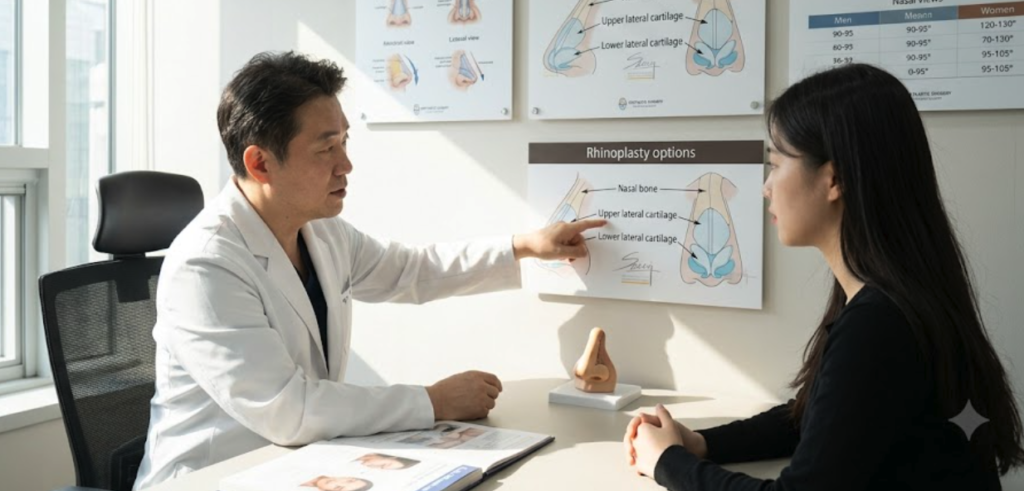
Foreigners travel to Seoul for nose surgery because Korean surgeons specialize in creating natural, balanced, and structurally stable results. Unlike many Western clinics that focus heavily on projection or dramatic reshaping, Korean rhinoplasty emphasizes harmony with the entire face.
This guide provides practical, honest, and essential information for foreigners considering rhinoplasty in Korea.
◆ 1. Why Korea Is Famous for Rhinoplasty
Korea has become a global leader in rhinoplasty due to:
- Highly trained surgeons with extensive experience
- Advanced cartilage grafting techniques
- Natural-looking results
- Strong focus on facial harmony
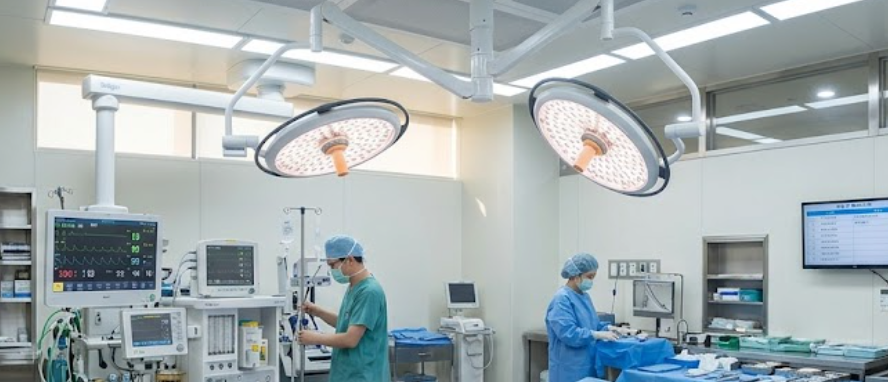
- Modern facilities and safe surgical protocols
- Affordable pricing compared to Western countries
- English-speaking coordinators for foreign patients
Korean rhinoplasty is known for combining aesthetic beauty with functional improvement, ensuring both appearance and breathing are addressed.
◆ 2. Types of Rhinoplasty in Korea
Korean clinics offer several rhinoplasty techniques depending on the patient’s anatomy and goals.
1) Bridge Augmentation (Dorsal Augmentation)
Used to raise a low nasal bridge.
Materials: silicone implant, Gore-Tex, or autologous cartilage.
2) Tip Plasty
Reshapes the nasal tip using cartilage grafts.
Common grafts: septal cartilage, ear cartilage, rib cartilage.
3) Osteotomy (Nasal Bone Narrowing)
Used to narrow a wide nose or correct asymmetry.
4) Alar Reduction (Nostril Narrowing)
Reduces wide nostrils for a more refined look.
5) Septoplasty (Breathing Improvement)
Corrects deviated septum to improve airflow.
6) Revision Rhinoplasty
Corrects previous surgeries; often requires rib cartilage.
7) Non-Surgical Rhinoplasty
Filler-based nose enhancement; temporary results.
◆ 3. Korean vs Western Rhinoplasty: Key Differences
Foreigners often ask how Korean rhinoplasty differs from Western techniques.
Here are the major differences:
✔ Korean Rhinoplasty
- Focuses on natural, balanced results
- Uses cartilage grafts for long-term stability
- Prioritizes facial harmony
- Less dramatic projection
- Smaller, refined changes
- Strong emphasis on breathing function
✔ Western Rhinoplasty
- Often focuses on projection and definition
- More dramatic reshaping
- Less cartilage grafting
- Different aesthetic preferences
Korean surgeons specialize in Asian anatomy, but they also treat thousands of Western patients each year.
◆ 4. What Foreigners Should Check Before Choosing a Clinic
Choosing the right clinic is crucial.
Here’s what foreigners must verify:
✔ 1) Surgeon’s experience with foreign patients
Ask how many non-Korean rhinoplasty cases they perform monthly.
✔ 2) Before-and-after photos
Request photos of patients with similar nose shape and ethnicity.
✔ 3) Material used for bridge augmentation
Silicone? Gore-Tex? Cartilage?
Each has pros and cons.
✔ 4) Cartilage source for tip plasty
Septal cartilage is ideal; ear or rib may be needed.
✔ 5) Breathing function evaluation
Good clinics check septum and airway before surgery.
✔ 6) Revision policy
Ask how the clinic handles complications or dissatisfaction.
✔ 7) English-speaking coordinator
Communication is essential for foreign patients.
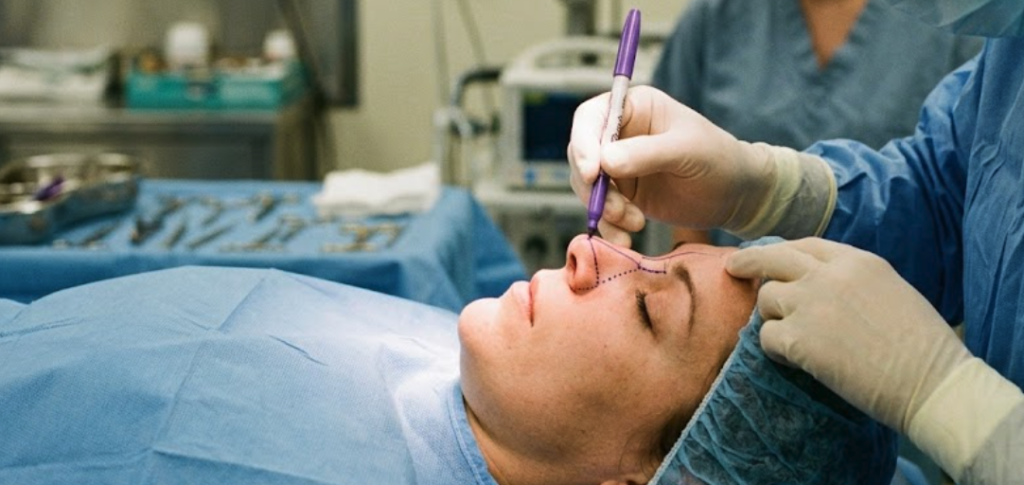
◆ 5. Surgery Process in Korea
Step 1: Consultation
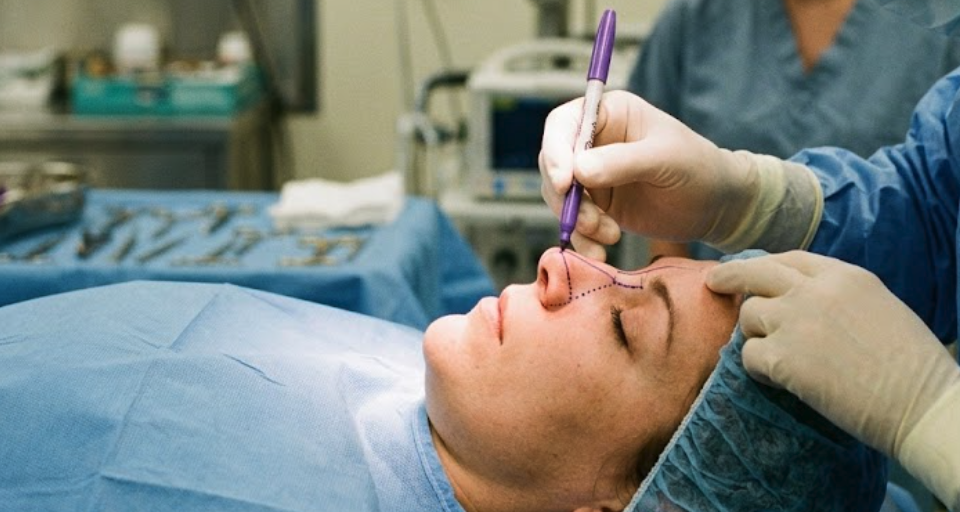
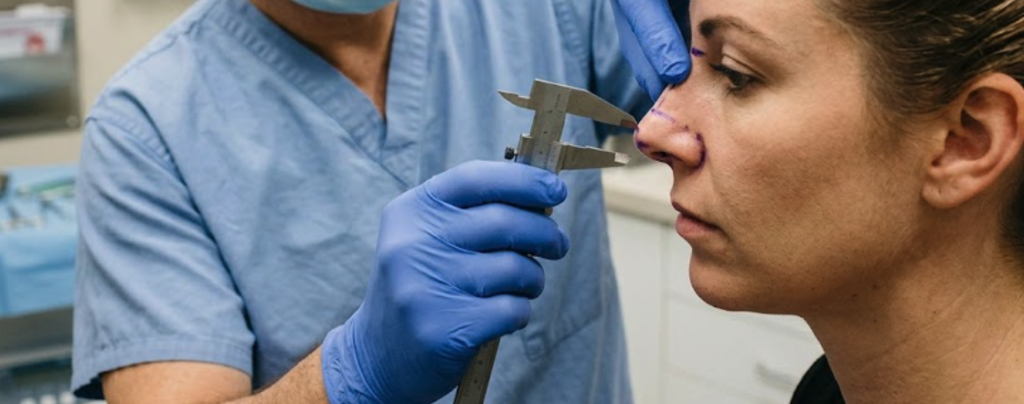
Facial analysis, nose measurements, breathing evaluation, and surgical plan.
Step 2: Pre-Op Tests
Blood test, ECG, and medical clearance.
Step 3: Surgery
1.5–3 hours depending on complexity.
Step 4: Recovery Room
Monitoring for 1–2 hours.
Step 5: Follow-Up Visits
Splint removal at 5–7 days.
◆ 6. Recovery Timeline (Honest & Realistic)
Day 1–3
Swelling, bruising around eyes, nasal congestion.
Day 4–7
Splint removed; bruising fades.
Week 2
Most swelling gone; normal appearance.
Week 3–4
Natural look returns.
Month 3–6
Final shape visible.
Foreigners should stay in Korea 7–10 days minimum.
◆ 7. Risks & Complications
Rhinoplasty is safe in Korea, but risks include:
- Swelling
- Bruising
- Infection (rare)
- Breathing difficulty
- Asymmetry
- Implant shifting (rare with skilled surgeons)
- Need for revision
Korean clinics are trained to manage complications quickly.
◆ 8. Cost of Rhinoplasty in Korea
Basic Rhinoplasty
₩3,000,000–₩6,000,000
Bridge + Tip Plasty
₩5,000,000–₩10,000,000
Rib Cartilage Rhinoplasty
₩10,000,000–₩18,000,000
Revision Rhinoplasty
₩8,000,000–₩20,000,000
Compared to the US (USD $10,000–$25,000), Korea is significantly more affordable.
◆ 9. Tips for Foreign Patients
- Avoid alcohol 1 week before surgery
- Stop blood thinners (doctor approval required)
- Bring loose clothing
- Expect nasal congestion for 1–2 weeks
- Follow all aftercare instructions
- Choose clinics with transparent pricing
Korea offers world-class rhinoplasty with advanced techniques, natural results, and highly skilled surgeons.
For foreigners seeking safe and effective nose surgery, Korea remains one of the best destinations worldwide.
✦ Recommended Links