
Facial fat grafting has become one of the most popular cosmetic procedures in Korea, especially among patients seeking natural, long‑lasting facial volume restoration. Unlike fillers, which dissolve over time and may create an artificial look, fat grafting uses your own fat to enhance facial contours, rejuvenate aging areas, and restore youthful fullness. Korea is widely recognized as a global leader in this technique, offering advanced surgical methods, high survival rates, and exceptionally natural results.
This comprehensive guide explains everything foreign patients need to know about facial fat grafting in Korea — including how the procedure works, why Korea is considered the best place for it, what results to expect, how long recovery takes, and how to choose the right clinic.
1. What Is Facial Fat Grafting?
Facial fat grafting, also known as fat transfer or fat injection, is a procedure that harvests fat from one part of your body and injects it into specific areas of the face. The goal is to restore lost volume, improve facial harmony, and create a softer, more youthful appearance.
As people age, the face naturally loses fat in key areas such as the cheeks, temples, under‑eye region, and nasolabial folds. This volume loss can make the face look tired, hollow, or older. Fat grafting reverses these changes by adding natural volume exactly where it is needed.
The procedure is minimally invasive, safe, and long‑lasting. Because the injected material is your own fat, there is no risk of allergic reaction or rejection.
2. Why Korea Is a Global Leader in Facial Fat Grafting
Korea has earned a reputation for delivering some of the most natural and refined fat grafting results in the world. Several factors contribute to this:
Advanced Techniques
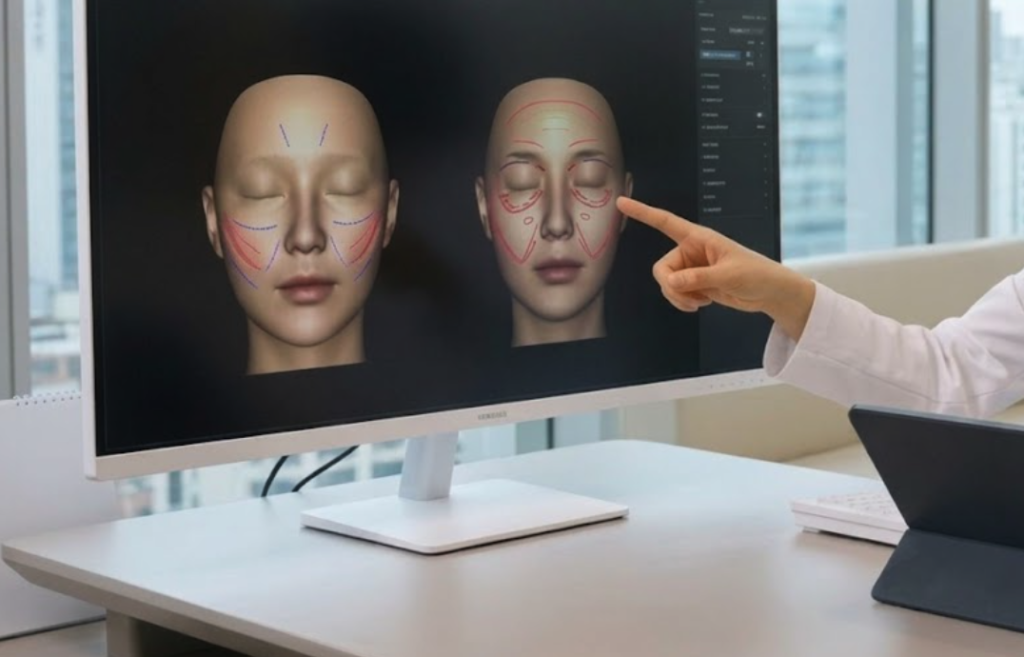
Korean surgeons use micro‑fat and nano‑fat processing methods that improve fat survival and create smoother, more natural contours. These techniques allow precise placement of fat in delicate areas such as the under‑eyes and temples.
High Fat Survival Rates
Korean clinics often achieve higher fat retention compared to clinics in other countries. This means fewer touch‑ups and longer‑lasting results.
Natural Aesthetic Philosophy
Korean cosmetic surgery emphasizes balance, harmony, and subtle enhancement. Surgeons aim to create youthful fullness without over‑injecting or creating a “puffy” look.
Experience with Foreign Patients
Many Gangnam clinics treat thousands of international patients each year. They offer English‑speaking staff, detailed consultations, and customized treatment plans.
Advanced Equipment
Korean clinics use modern centrifuges, purification systems, and micro‑cannulas to ensure safe and precise fat placement.
3. Areas Commonly Treated with Fat Grafting
Facial fat grafting can be used to enhance nearly every part of the face. The most common areas include:
Under‑Eyes
Fat grafting smooths hollowness, reduces dark shadows, and creates a refreshed appearance.
Cheeks
Adds youthful fullness and improves mid‑face contour.
Nasolabial Folds
Softens deep lines around the mouth.
Temples
Restores volume to sunken temples, improving facial balance.
Forehead
Creates a smoother, rounder forehead shape — a popular aesthetic in Korea.
Chin and Jawline
Enhances definition and improves facial proportions.
Lips
Adds subtle volume without the artificial look of fillers.
Overall Facial Rejuvenation
Many patients choose full‑face fat grafting for a complete anti‑aging transformation.
4. The Procedure: Step‑by‑Step
Facial fat grafting typically consists of three main steps:
Step 1: Fat Harvesting
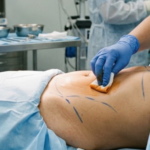
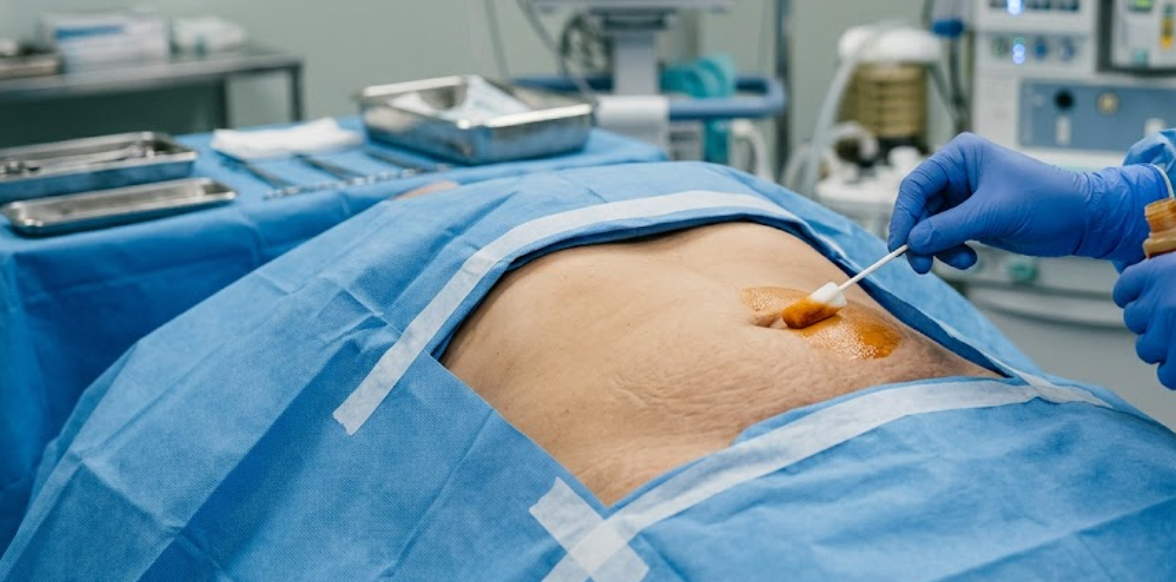
Fat is gently removed from areas such as the abdomen, thighs, or hips using a small cannula. This process is similar to mini‑liposuction but far less invasive.
Step 2: Fat Purification
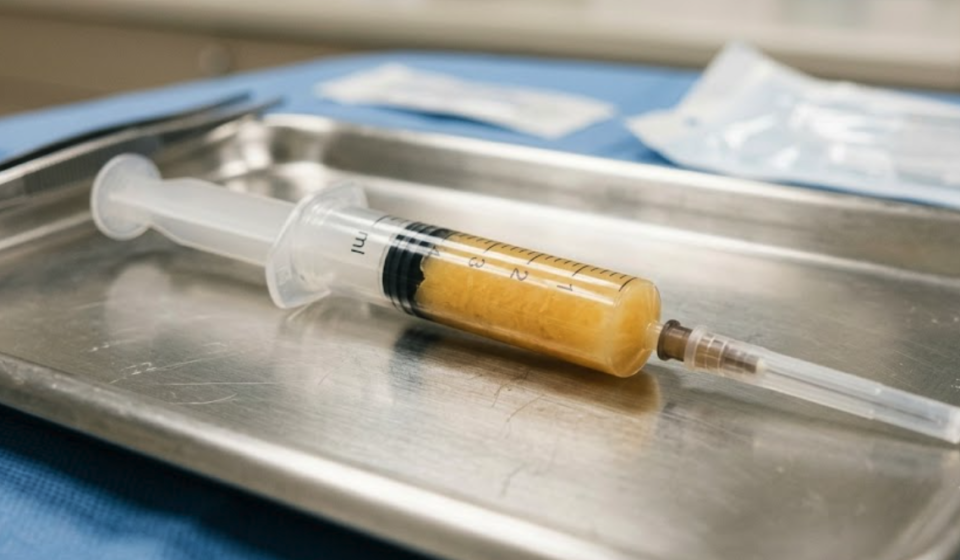
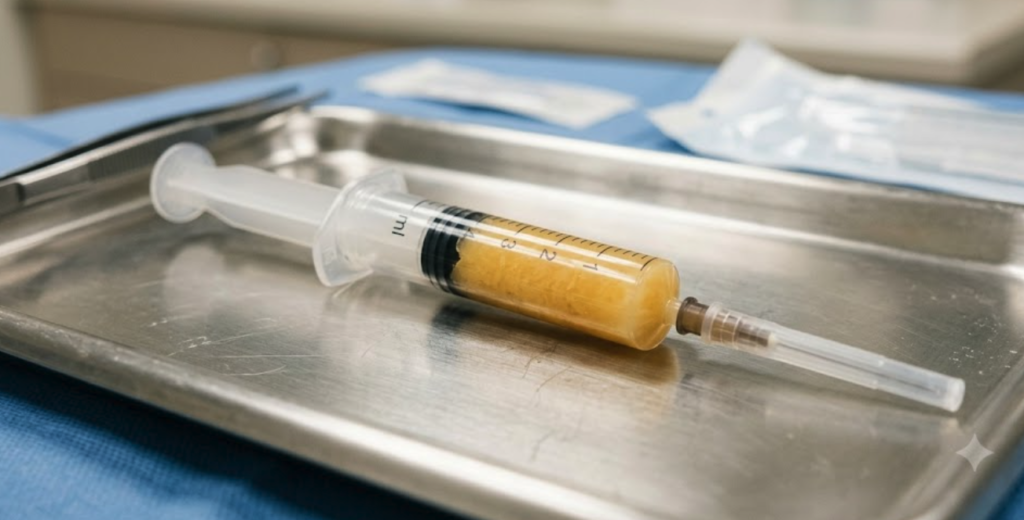
The harvested fat is purified using centrifugation or filtration. This removes excess fluid, oil, and damaged fat cells, leaving only healthy, high‑quality fat.
Step 3: Fat Injection
The purified fat is injected into targeted facial areas using micro‑cannulas. Surgeons place tiny droplets of fat in multiple layers to ensure smooth, natural results and high survival rates.
The entire procedure usually takes 1–2 hours and is performed under local anesthesia with sedation or light general anesthesia.
5. Who Is a Good Candidate for Facial Fat Grafting?
Facial fat grafting is ideal for patients who:
- Want natural facial volume restoration
- Prefer long‑lasting results over temporary fillers
- Have hollow under‑eyes or sunken cheeks
- Want to improve facial symmetry
- Are experiencing age‑related volume loss
- Prefer a minimally invasive procedure
- Want to avoid synthetic fillers
It is also suitable for patients who want to combine fat grafting with other procedures such as facelift, rhinoplasty, or laser treatments.
6. Benefits of Facial Fat Grafting
Natural Look and Feel
Because the material is your own fat, results look and feel natural.
Long‑Lasting Results
A portion of the injected fat becomes permanent, offering long‑term improvement.
Safe and Biocompatible
No risk of allergic reaction or rejection.
Improved Skin Quality
Fat contains stem cells that can improve skin texture and elasticity.
Customizable
Surgeons can adjust volume precisely for each facial area.
Dual Benefit
You also get minor contouring in the area where fat is harvested.
7. Recovery and Healing Timeline
Recovery from facial fat grafting is generally quick and manageable.
Day 1–3
Swelling and mild bruising appear. The face may look fuller than expected — this is normal.
Day 4–7
Swelling begins to decrease. Most patients feel comfortable going outside.
Week 2–3
The face starts to settle into a more natural shape.
Month 1–3
Final results become visible as the fat stabilizes.
Month 6
Full fat survival is confirmed.
Most foreign patients stay in Korea for 7–10 days after the procedure.
8. How Long Do Results Last?
Fat grafting results are long‑lasting.
Typically:
- 50–70% of the injected fat survives permanently
- The rest is absorbed naturally within the first few months
- Touch‑ups may be done after 6–12 months if desired
Korean clinics are known for achieving high survival rates due to advanced techniques.
9. Risks and Considerations
Facial fat grafting is safe, but like any procedure, it carries some risks:
- Swelling and bruising
- Asymmetry
- Over‑correction or under‑correction
- Fat absorption
- Small lumps (rare)
- Infection (very rare)
Choosing an experienced Korean surgeon significantly reduces these risks.
10. Cost of Facial Fat Grafting in Korea
Prices vary depending on the clinic and the number of areas treated.
Average Cost Range
₩2,500,000 – ₩6,000,000
(USD $1,900 – $4,500)
Full‑face fat grafting may cost more, especially in premium Gangnam clinics.
Compared to the US, Europe, or Singapore, Korea offers significantly better value for the same or higher quality.
11. Why Foreign Patients Prefer Korea for Fat Grafting
Foreign patients consistently choose Korea because:
- Results are natural and youthful
- Surgeons have extensive experience
- Clinics offer advanced technology
- Prices are reasonable
- Aftercare is thorough
- English support is available
- Korea’s aesthetic style is globally admired
Many patients combine fat grafting with other treatments such as laser therapy, skin regeneration, or anti‑aging procedures.
12. How to Choose the Right Clinic in Korea
When selecting a clinic, consider the following:
Surgeon Experience
Look for surgeons with 10+ years of experience in fat grafting.
Before‑and‑After Photos
Check results for patients with similar facial features.
Fat Survival Rate
Ask about their average retention rate.
Technique Used
Micro‑fat and nano‑fat techniques offer better results.
English Support
Essential for foreign patients.
Aftercare System
Korean clinics often provide swelling care, LED therapy, and follow‑up visits.
13. Combining Fat Grafting with Other Procedures
Many patients combine fat grafting with:
- Facelift
- Thread lift
- Laser resurfacing
- Rejuran or exosome therapy
- Rhinoplasty
- Eyelid surgery
These combinations enhance overall facial harmony and rejuvenation.
Facial fat grafting in Korea offers one of the most natural and effective ways to restore facial volume, rejuvenate aging features, and enhance overall facial harmony. With advanced techniques, high survival rates, and a strong aesthetic philosophy, Korean clinics provide results that are difficult to match anywhere else in the world.
For foreign patients seeking safe, long‑lasting, and beautifully natural facial enhancement, Korea remains one of the best destinations for facial fat grafting.
🔗 Recommended Links