Korean Gastrointestinal Tests: A Complete Guide to Endoscopy & Colonoscopy for Foreigners 🩺

Why Korea is one of the best places in the world for stomach and colon examinations
Korea is globally known for its advanced gastrointestinal (GI) testing system.
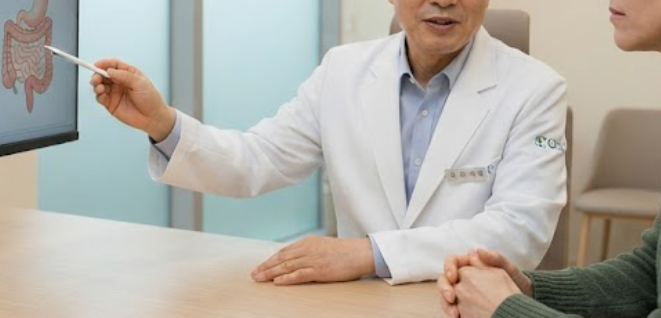
Endoscopy and colonoscopy are fast, affordable, and highly accurate — making Korea one of the top destinations for digestive health screening.
Foreigners living in Korea often ask:
- How do I get an endoscopy or colonoscopy?
- How much does it cost?
- Does NHIS cover it?
- Do I need a referral?
- Are English‑speaking clinics available?
This guide explains everything foreigners need to know.
⭐ Why GI Tests in Korea Are So Advanced
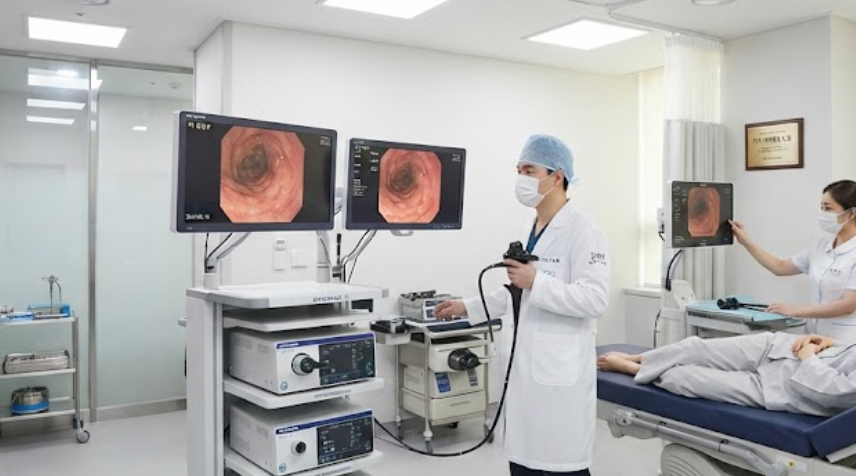
1) Cutting‑edge equipment
Korean hospitals use:
- HD endoscopy cameras
- Narrow‑band imaging (NBI)
- AI‑assisted polyp detection
- Painless sedation systems
These technologies increase accuracy and comfort.
2) Highly experienced specialists
Korean gastroenterologists perform thousands of procedures annually.
This reduces complications and improves early cancer detection.
3) Fast scheduling
In many countries, endoscopy requires long waiting periods.
In Korea, you can often schedule:
- Endoscopy: same week
- Colonoscopy: within 1–2 weeks
4) Affordable pricing
Korean GI tests cost 50–80% less than in Western countries.
⭐ Types of GI Tests Available in Korea
1) Upper Endoscopy (EGD / 위내시경)
Used to diagnose:
- Gastritis
- Ulcers
- Acid reflux
- H. pylori infection
- Early stomach cancer
2) Colonoscopy (대장내시경)
Used to detect:
- Polyps
- Colon cancer
- Inflammation
- Bleeding
- IBS-related issues
3) Abdominal Ultrasound (복부 초음파)
Checks liver, gallbladder, pancreas.
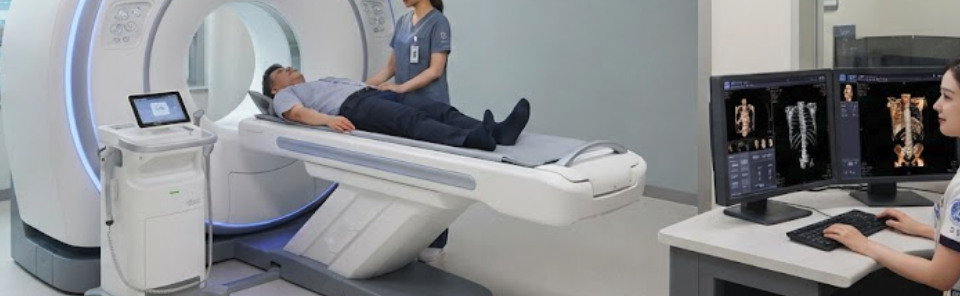
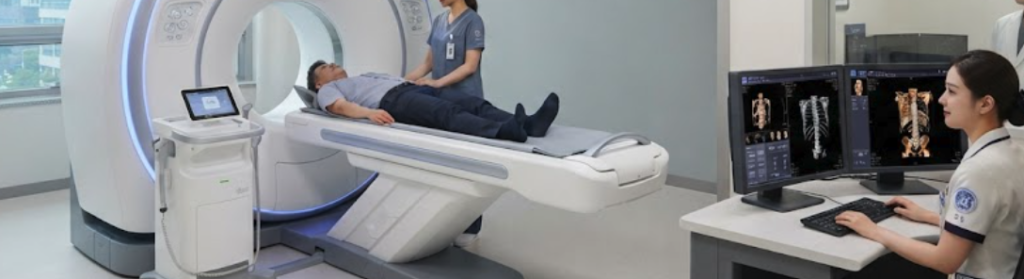
4) CT or MRI (복부 CT/MRI)
Used for more complex cases.
⭐ How Much Do GI Tests Cost in Korea?
Upper Endoscopy (EGD)
- Without NHIS: ₩70,000–₩150,000
- With NHIS: ₩20,000–₩60,000
Colonoscopy
- Without NHIS: ₩120,000–₩250,000
- With NHIS: ₩40,000–₩120,000
Sedation (수면내시경)
- Additional ₩50,000–₩120,000
Polyp Removal (용종 절제)
- ₩100,000–₩300,000 depending on size
- NHIS covers a large portion
Compared to the US (where colonoscopy can cost $2,000–$5,000), Korea is extremely affordable.
⭐ Does NHIS Cover Endoscopy & Colonoscopy for Foreigners?
Yes — foreigners with NHIS receive the same coverage as Korean citizens.
NHIS covers:
- Diagnostic endoscopy
- Colonoscopy
- Polyp removal
- Biopsy
- Sedation (partially)
NHIS does not cover:
- Screening endoscopy for healthy patients under 40
- Screening colonoscopy without symptoms (varies by clinic)
⭐ How Foreigners Can Get GI Tests in Korea
1) Choose a clinic or hospital
Options include:
- Local internal medicine clinics (내과)
- General hospitals
- University hospitals
- International clinics
2) Schedule an appointment
Most clinics allow:
- Phone booking
- KakaoTalk booking
- Online booking
- Walk‑in consultation
3) Pre‑test consultation
The doctor will:
- Review symptoms
- Check medical history
- Explain sedation options
- Provide preparation instructions
4) Procedure day
Endoscopy takes 5–10 minutes.
Colonoscopy takes 20–30 minutes.
5) Recovery
Sedation requires 1–2 hours of rest.
6) Results
You receive results immediately or within a few days if biopsy is taken.
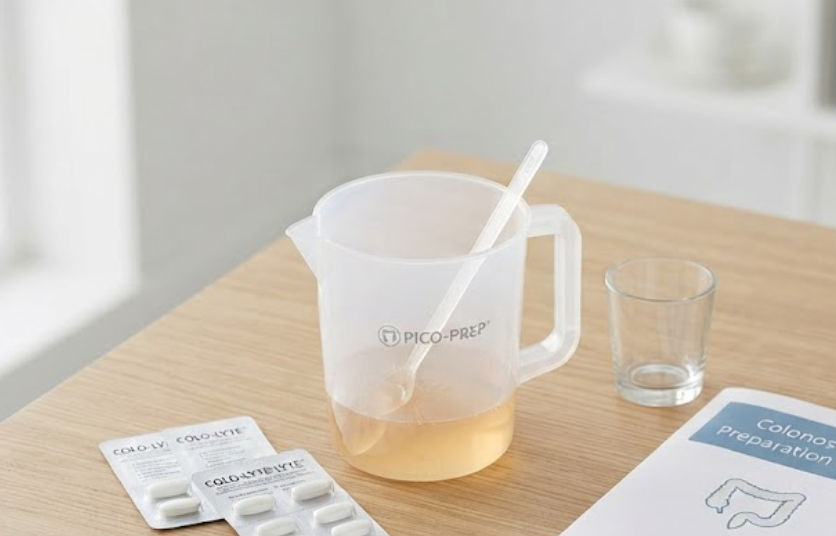
⭐ Preparation for Colonoscopy (Foreigners Guide)
You will receive:
- A bowel cleansing solution
- A diet plan
- Timing instructions
Typical rules:
- No solid food the day before
- Drink only clear liquids
- Finish the cleansing solution as instructed
- Stop certain medications (doctor will advise)
⭐ Are English‑speaking GI clinics available?
Yes.
Many clinics in Seoul, Busan, Incheon, and Daegu offer:
- English consultations
- English test results
- English instructions
- International patient coordinators
Search for:
- “International Clinic Seoul”
- “Endoscopy for foreigners Korea”
- “English gastroenterologist Korea”
⭐ Common GI Problems Among Foreigners in Korea
Foreigners often experience:
- Gastritis from spicy food
- Acid reflux
- H. pylori infection
- IBS
- Colon polyps
- Stress‑related stomach issues
- Alcohol‑related gastritis
Korean GI clinics are very experienced with these conditions.
⭐ Useful Official Links (English)
Ministry of Health and Welfare (MOHW)
KDCA — Korea Disease Control and Prevention Agency