
A complete guide for foreigners seeking affordable, high‑quality dental implants in Korea
Korea is one of the world’s leading destinations for dental implants.
High success rates, advanced technology, short recovery times, and reasonable pricing make Korean dental clinics extremely attractive — not only for locals, but also for foreigners living in Korea or visiting for medical tourism.
This guide explains why Korean dental implants are so popular, how much they cost, how foreigners can receive treatment, and what to expect during the entire process.
⭐ Why Korean Dental Implants Are So Popular
1) World‑class technology and precision
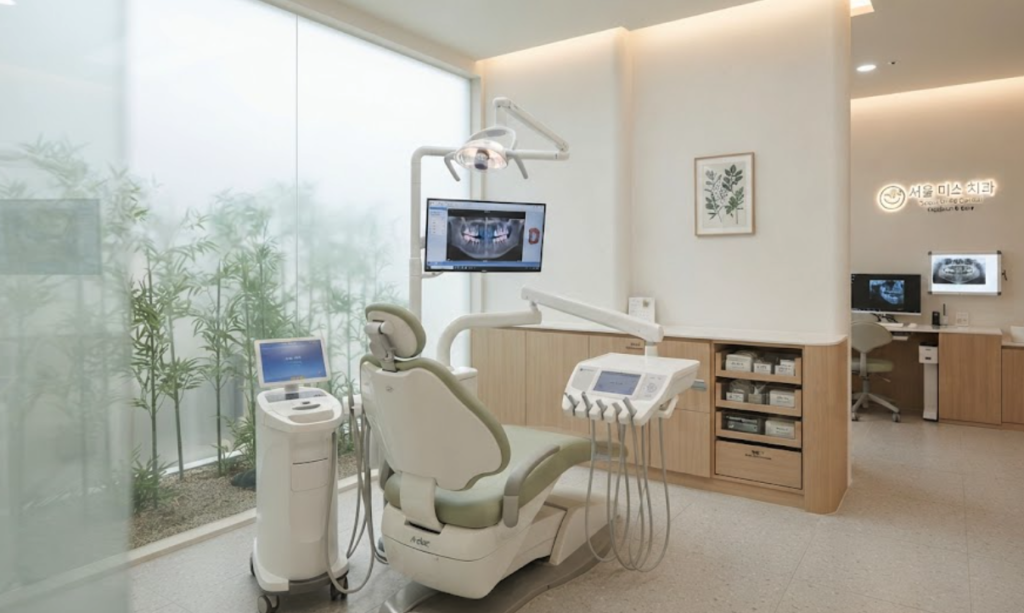
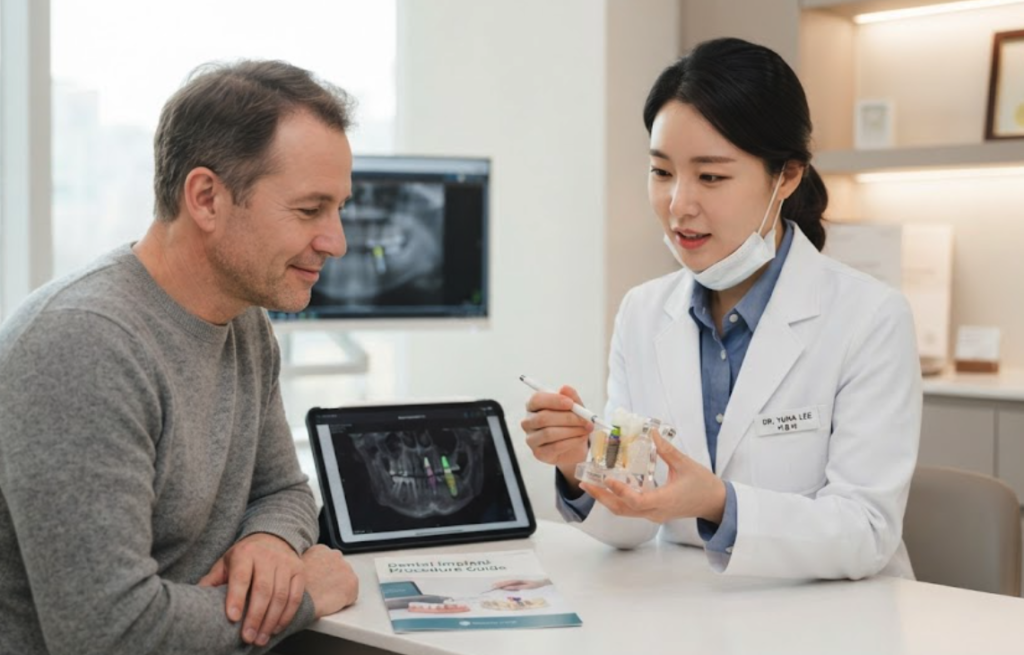
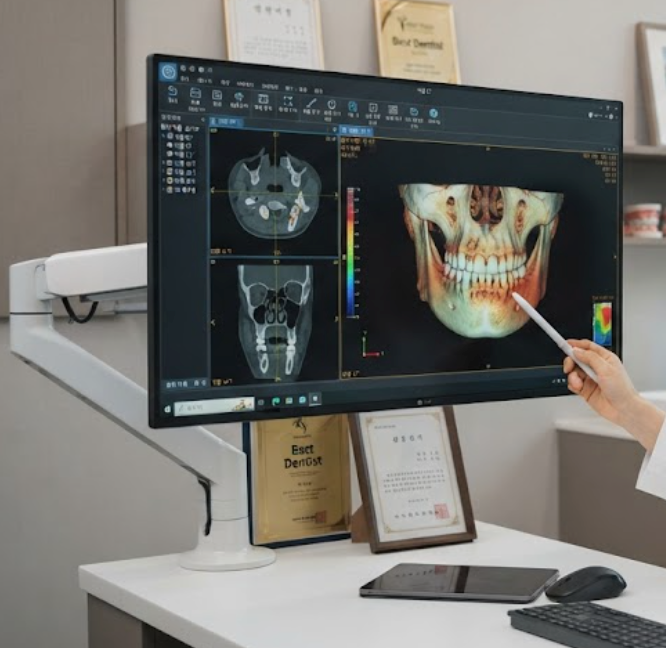
Korean dentists use advanced imaging tools such as:
- 3D CT scans
- Digital surgical guides
- Computer‑assisted implant placement
This reduces complications and improves accuracy.
2) Highly trained specialists
Korea has a large number of implant‑focused dentists and oral surgeons.
Many clinics perform hundreds of implants per year.
3) Fast treatment and recovery
Korean clinics are known for:
- Short waiting times
- Quick surgery
- Efficient follow‑up care
Foreigners often say the process is “much faster than in their home country.”
4) Affordable pricing compared to Western countries
Implants in Korea cost 30–60% less than in the US, Canada, or Europe.
5) Transparent pricing
Most clinics provide clear cost breakdowns before treatment.
⭐ How Much Do Dental Implants Cost in Korea?
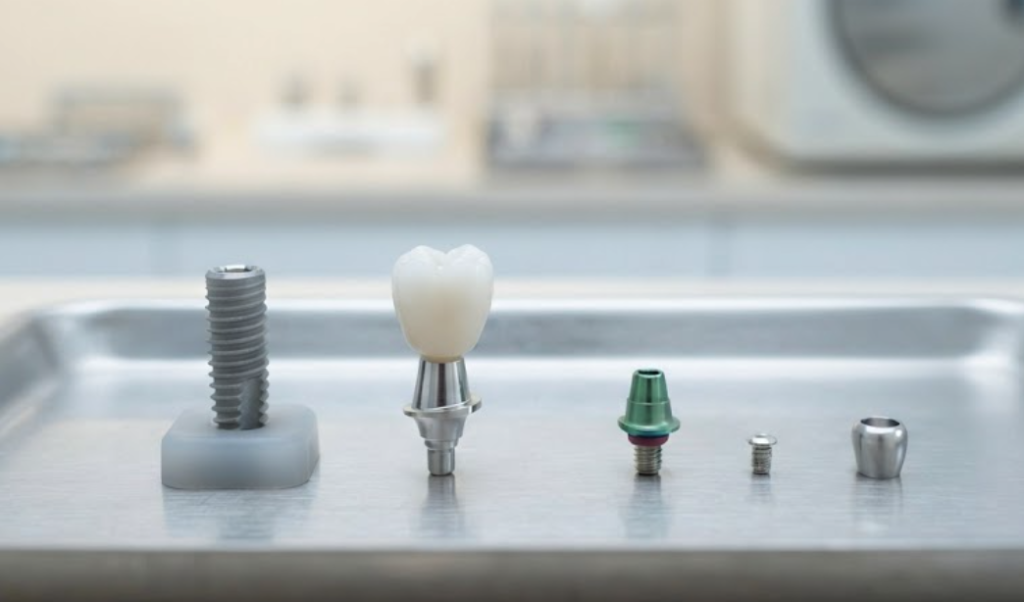
Prices vary depending on the clinic, implant brand, and complexity.
Standard Single Implant
- ₩900,000 – ₩2,000,000
(USD $700–$1,500)
Premium Implant Brands (Straumann, Nobel Biocare)
- ₩1,500,000 – ₩3,000,000
Bone Grafting (if needed)
- ₩200,000 – ₩600,000
Sinus Lift (if needed)
- ₩500,000 – ₩1,500,000
Full Mouth Implants (All‑on‑4 / All‑on‑6)
- ₩10,000,000 – ₩25,000,000
(USD $7,500–$19,000)
Compared to the US (where a single implant can cost $3,000–$6,000), Korea is significantly more affordable.
⭐ Does NHIS Cover Dental Implants for Foreigners?
NHIS (National Health Insurance Service) partially covers implants, but only for:
- Patients aged 65 or older
- Limited to two implants
- Medical necessity required
Foreigners with NHIS receive the same benefits as Korean citizens.
For younger patients, implants are not covered, but prices are still reasonable.
⭐ How Foreigners Can Get Dental Implants in Korea
1) Choose a dental clinic
Foreigners often prefer clinics with:
- English‑speaking staff
- International patient support
- Transparent pricing
- Digital implant systems
Major cities like Seoul, Busan, and Incheon have many options.
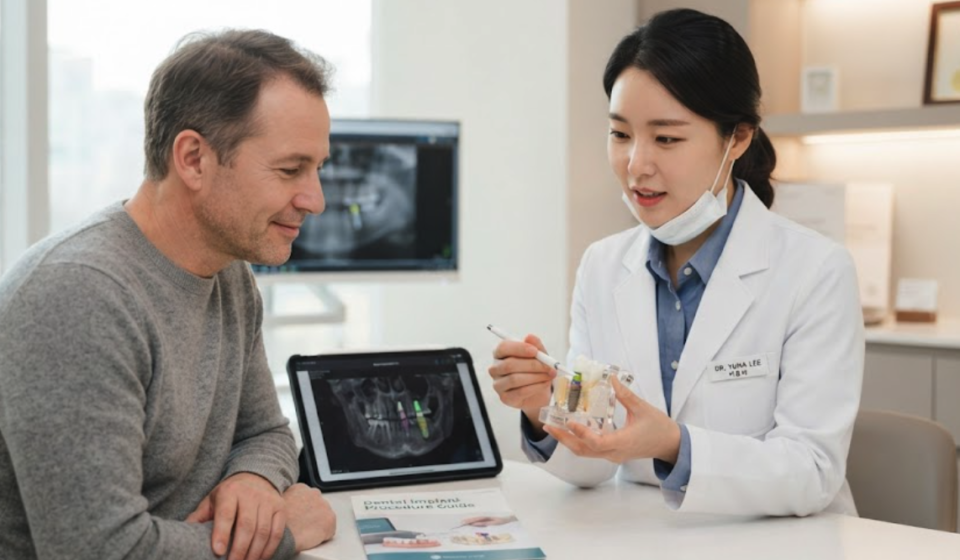
2) Schedule a consultation
During the first visit, the dentist will:
- Take X‑rays or CT scans
- Check bone density
- Explain implant options
- Provide a cost estimate
- Discuss treatment timeline
3) Implant surgery
The procedure usually takes 20–40 minutes per implant.
4) Healing period
Implants need 2–4 months to fuse with the bone.
5) Crown placement
After healing, the dentist attaches the final crown.
Total treatment time:
2–4 months, depending on bone condition.
⭐ What Foreigners Should Bring
- Passport
- ARC (Alien Registration Card)
- NHIS information (if applicable)
- Previous dental records (optional)
Most clinics accept:
- Credit cards
- Mobile pay
- International payment methods
⭐ Are Korean Dentists English‑Friendly?
Many clinics in Seoul, Busan, and Incheon have English‑speaking staff.
Some even offer:
- Chinese
- Vietnamese
- Thai
- Tagalog
- Russian
If language is a concern, search for “International Dental Clinic Korea.”
⭐ Risks and Considerations
Dental implants are safe in Korea, but consider:
- Bone density (may require grafting)
- Smoking (slows healing)
- Diabetes (requires careful monitoring)
- Long‑term maintenance (regular checkups needed)
Korean clinics are very thorough with pre‑surgery screening.
⭐ Useful Official Links (English)
Ministry of Health and Welfare (MOHW)
Dental care policies and medical regulations
KDCA — Korea Disease Control and Prevention Agency
General health information