

Snoring loudly, waking up repeatedly during the night, and feeling exhausted even after sleeping for hours may be signs of a serious sleep disorder. Two common conditions that can disrupt sleep are obstructive sleep apnea and chronic insomnia. Although they have different causes, both can affect your physical health, mental well-being, and quality of life.
1. What Is Obstructive Sleep Apnea?
Obstructive sleep apnea occurs when the upper airway repeatedly becomes blocked during sleep, temporarily interrupting normal breathing. As we age, muscle tone can decrease, and excess body weight may contribute to narrowing of the airway. When the airway becomes too narrow, surrounding tissues vibrate as air passes through, producing the familiar sound of snoring.
In more severe cases, the airway becomes completely or partially blocked, reducing airflow and disrupting normal breathing. These interruptions can lower blood oxygen levels and repeatedly awaken the brain, preventing the body from reaching and maintaining deep, restorative sleep.
2. Why Sleep Apnea Can Be Dangerous
Repeated breathing interruptions force the body to respond as though it is under stress. The sympathetic nervous system becomes activated, and the heart may work harder to maintain oxygen delivery. Over time, untreated obstructive sleep apnea is associated with high blood pressure, cardiovascular disease, stroke, and other serious health complications.
A sleep study can help determine whether sleep apnea is present and how severe it is. For example, an apnea-hypopnea index, or AHI, of approximately 52 events per hour indicates severe sleep apnea. An AHI of around 11 events per hour falls within the mild range.
These measurements help healthcare professionals assess breathing disturbances during sleep and determine the most appropriate treatment.
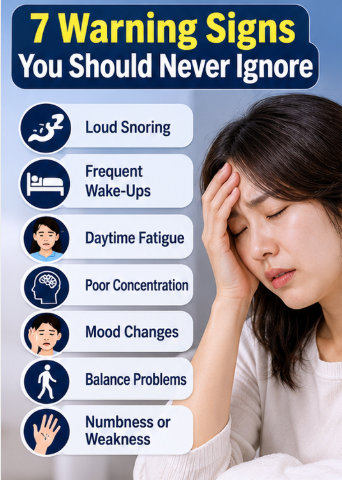
3. Seven Warning Signs of a Sleep Disorder
Pay attention if you experience any of the following symptoms:
-
Loud, persistent snoring
-
Pauses in breathing or waking up gasping for air
-
Frequent awakenings during the night
-
Morning headaches or waking up feeling unrefreshed
-
Excessive daytime sleepiness and fatigue
-
Difficulty concentrating or remembering things
-
Irritability, mood changes, or difficulty controlling emotions
These symptoms do not automatically mean you have sleep apnea. However, if they occur regularly, especially alongside loud snoring or observed breathing pauses, a medical evaluation and sleep study may be necessary.
4. How Alcohol Can Make Sleep Problems Worse
Alcohol may initially make you feel sleepy and help you fall asleep faster. However, as its effects wear off, sleep can become more fragmented, and the quality of restorative sleep may decline. Alcohol can also worsen breathing problems during sleep in some people.
Using alcohol regularly as a sleep aid can create a harmful cycle. Poor sleep increases stress and irritability, leading to more drinking, while alcohol further disrupts sleep. Over time, this pattern may contribute to weight gain and make existing sleep problems more difficult to manage.
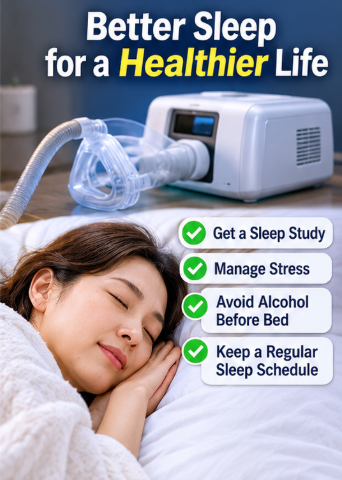
Reducing or avoiding alcohol, particularly close to bedtime, can be an important step toward healthier sleep.
5. Chronic Insomnia and the Stress Cycle
Insomnia is not simply the inability to fall asleep. It can involve difficulty falling asleep, repeated awakenings, waking too early, or feeling unrefreshed despite spending enough time in bed.
Stress and anxiety can keep the brain in a heightened state of alertness. Worrying about whether you will sleep well can create even more pressure, making it harder to relax. Eventually, the bedroom itself may become associated with frustration and anxiety rather than rest.
Cognitive behavioral therapy for insomnia, commonly known as CBT-I, can help people identify and change unhelpful thoughts and behaviors related to sleep. Keeping a thought record can also help distinguish between a worrying assumption and the evidence supporting or contradicting it.
If insomnia is persistent or accompanied by depression or severe anxiety, professional assessment is important. Medication may be appropriate in some cases, but it should be used under medical supervision.
6. Effective Treatments for Sleep Apnea
Continuous positive airway pressure, or CPAP, is a common treatment for moderate to severe obstructive sleep apnea. The device delivers pressurized air through a mask to help keep the airway open during sleep.
Some people initially find the mask uncomfortable or experience difficulty adjusting to the airflow. Consistent follow-up and professional guidance can help improve comfort and adherence. If CPAP is prescribed, use it according to your healthcare professional’s instructions rather than stopping treatment without consultation.
Lifestyle changes may also help. Weight management, regular physical activity, and avoiding alcohol before bedtime can support better sleep and may improve sleep apnea severity in some individuals. However, these measures should not replace prescribed treatment when it is needed.
7. Improve Sleep Quality With Better Daily Habits
Healthy sleep begins with consistent routines. Try to go to bed and wake up at approximately the same times every day. Keep your bed primarily for sleeping, and avoid scrolling through your phone while lying in bed.
If you cannot fall asleep after roughly 20 minutes, consider getting up and doing a quiet, relaxing activity in dim light. Return to bed when you feel sleepy. Avoid repeatedly checking the clock or forcing yourself to fall asleep.
Relaxation exercises can also help reduce physical tension and mental alertness. Gentle stretching, slow breathing, and mindfulness practices may make it easier to unwind before bedtime.
One breathing technique involves inhaling for four counts, holding the breath for seven counts, and exhaling for eight counts. This technique is not suitable for everyone, so do not force yourself to hold your breath. Breathe normally if you feel uncomfortable, dizzy, or short of breath.
8. Upper Airway Exercises and Relaxation
Exercises targeting the tongue and upper airway muscles may be helpful for some people with sleep-disordered breathing. Examples include controlled tongue movements and exercises designed to strengthen the muscles involved in breathing.
However, these exercises are supportive measures, not guaranteed cures for obstructive sleep apnea. Evidence and effectiveness vary, and they should not replace CPAP or other recommended treatments.
Gentle stretching and relaxation exercises may also reduce muscle tension associated with stress. Combined with consistent sleep habits and appropriate medical care, these strategies can support overall sleep health.
まとめ
Persistent snoring, repeated nighttime awakenings, morning headaches, daytime fatigue, and difficulty concentrating should not be ignored. Obstructive sleep apnea can interfere with oxygen delivery and increase long-term health risks, while chronic insomnia can affect mood, concentration, and daily functioning.
The key is to identify the underlying cause rather than relying on alcohol or unverified sleep remedies. A sleep study can help diagnose sleep apnea, while evidence-based treatments such as CPAP and cognitive behavioral therapy for insomnia can address different sleep problems.
Better sleep is not just about spending more hours in bed. It is about breathing properly, maintaining healthy routines, managing stress, and seeking professional help when symptoms persist.
Medi Korea 82をもっと見る
購読すると最新の投稿がメールで送信されます。

