
Everything You Need to Know After Cosmetic Surgery in Korea
Korea is one of the world’s leading destinations for cosmetic surgery, attracting thousands of foreign patients every year. While many guides explain how to choose a clinic or prepare for surgery, very few explain what happens after the procedure — especially for foreigners who must manage recovery in a different country.
This guide provides practical, honest, and essential information about post-surgery care in Korea, including swelling management, stitch removal, follow-up visits, recovery centers, and how long foreigners should stay in Korea.
◆ 1. Why Post-Surgery Care Matters in Korea
Korean clinics are known for their advanced surgical techniques, but the recovery process is equally important. Proper post-surgery care ensures:
- Faster healing
- Reduced swelling
- Lower risk of complications
- Better final results
- Safe return to your home country
Foreigners often underestimate how much care is needed after surgery. Korea’s medical system is efficient, but you must understand the timeline and expectations.
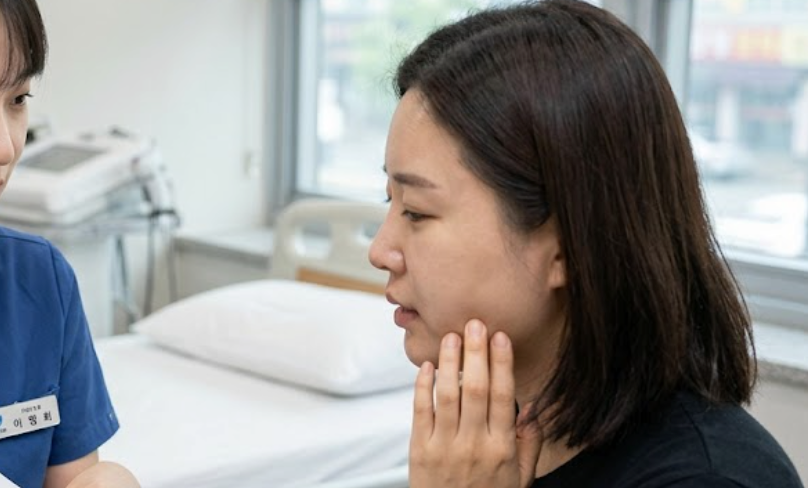
◆ 2. How Long Should Foreigners Stay in Korea After Surgery?
The required stay depends on the procedure.
Below is the realistic timeline, not the marketing version.
Facelift / Neck Lift / Midface Lift
10–14 days minimum
Stitch removal at day 5–7
Major swelling reduces by day 10
Safe to fly after day 12–14
Rhinoplasty
7–10 days minimum
Splint removal at day 5–7
Breathing improves by day 7
Safe to fly after day 7–10
Blepharoplasty (Upper/Lower Eyelid)
7–10 days minimum
Stitches removed at day 5
Bruising fades by day 7
Fat Grafting
3–5 days minimum
Swelling reduces quickly
Safe to fly after day 3–5
Thread Lift
1–2 days minimum
Minimal downtime
Safe to fly next day
Body Contouring (Liposuction)
7–14 days minimum
Compression garments required
Safe to fly after day 10–14
Breast Surgery
10–14 days minimum
Drain removal at day 3–5
Safe to fly after day 10–14
Foreigners should always plan extra days in case swelling lasts longer than expected.
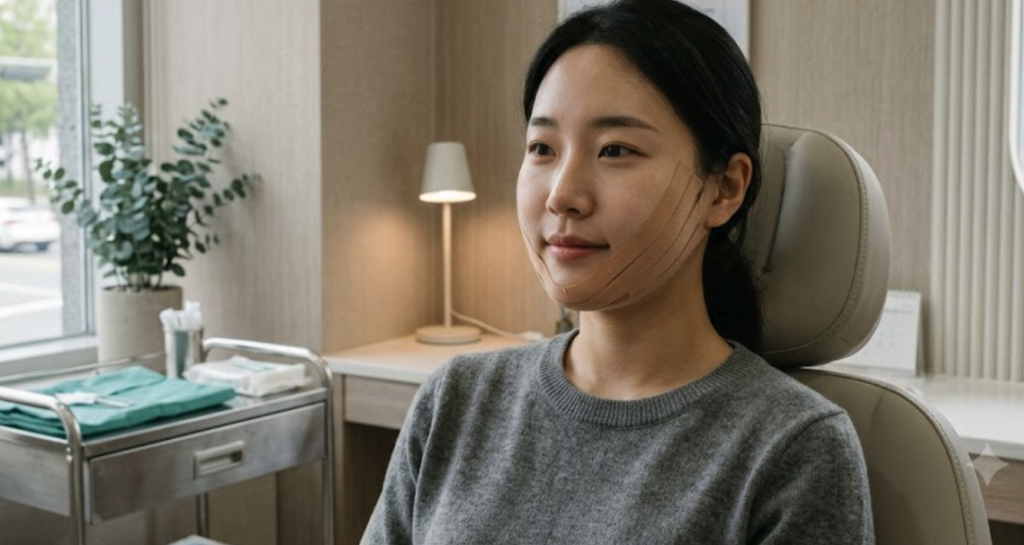
◆ 3. What to Expect Immediately After Surgery
1) Swelling and Bruising
Normal for facial and body procedures.
Korean clinics provide ice packs and swelling injections.
2) Compression Garments
Required for liposuction, facelift, and jawline surgery.
3) Nasal Congestion (Rhinoplasty)
Expect difficulty breathing for 3–7 days.
4) Tightness (Facelift / Thread Lift)
Normal sensation as tissues heal.
5) Limited Mobility (Body Surgery)
Walking slowly is recommended.
◆ 4. Stitch Removal in Korea
Stitch removal is typically done 5–7 days after surgery.
Foreigners must stay in Korea until stitches are removed.
What happens during stitch removal:
- Surgeon checks healing
- Removes sutures with sterile tools
- Cleans incision area
- Applies antibiotic ointment
- Provides scar care instructions
Stitch removal is quick and usually painless.
◆ 5. Swelling Management in Korea
Korea is famous for its advanced swelling control protocols.
Foreigners often say Korean recovery is faster than in their home country.
Common swelling treatments:
- Ice packs
- Anti-swelling injections
- LED therapy
- High-frequency facial therapy
- Lymphatic drainage massage
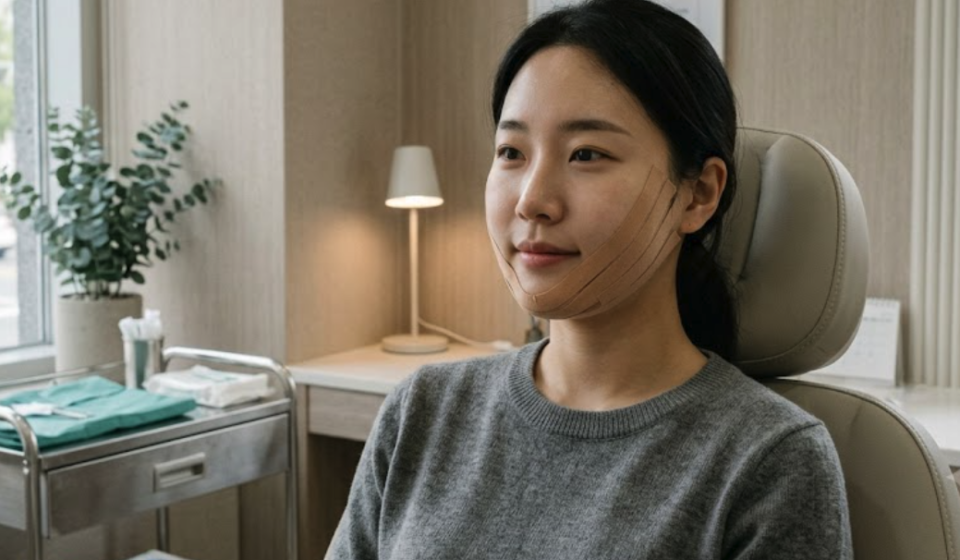
- Medical taping
- Compression garments
Most clinics include these treatments in the surgery package.
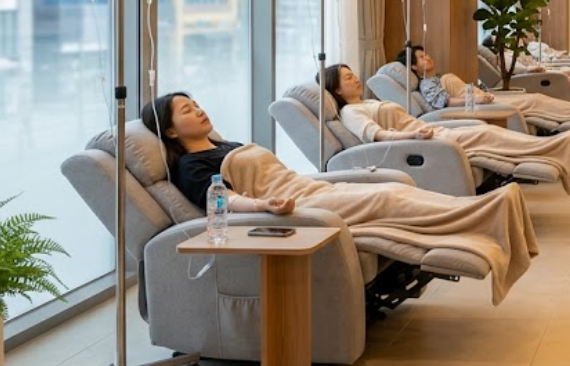
◆ 6. Korean Recovery Centers (Healing Centers)
Many foreigners use Korean recovery centers, which are specialized facilities designed for post-surgery healing.
Services offered:
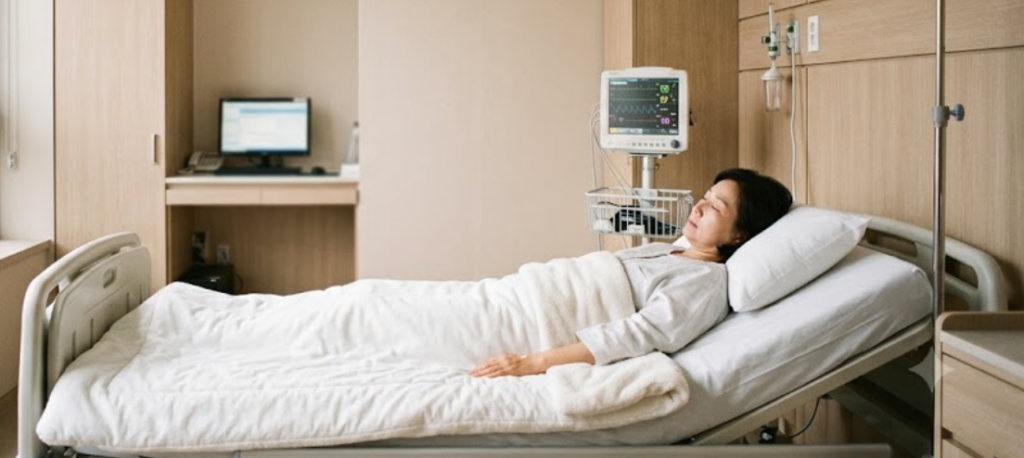
- 24/7 nurse monitoring
- IV hydration
- Swelling treatments
- Medication management
- Meal service
- Transportation to clinic
- Private rooms
- Oxygen therapy
Recovery centers are extremely helpful for foreigners traveling alone.
◆ 7. Medication & Aftercare Instructions
Korean clinics provide:
- Pain medication
- Antibiotics
- Anti-swelling pills
- Ointments
- Sterile gauze
Foreigners should follow instructions carefully.
General aftercare rules:
- No alcohol for 1 week
- No smoking for 2 weeks
- No heavy exercise for 2–3 weeks
- Sleep with head elevated
- Avoid sauna and hot baths
- Avoid touching or massaging the surgical area
◆ 8. Follow-Up Visits
Most surgeries require 1–3 follow-up visits:
- Day 1–2: Initial check
- Day 5–7: Stitch removal
- Day 10–14: Final check before flying home
Foreigners should not skip follow-up visits.
◆ 9. When Can You Fly Home?
Flying too early can increase swelling and risk complications.
Safe flying timeline:
- Thread Lift: Next day
- Fat Grafting: 3–5 days
- Rhinoplasty: 7–10 days
- Eyelid Surgery: 7–10 days
- Facelift: 12–14 days
- Body Surgery: 10–14 days
Long flights require extra caution.
◆ 10. Warning Signs to Watch For
Foreigners should seek immediate medical help if they experience:
- Severe pain
- Sudden swelling
- Fever
- Excessive bleeding
- Difficulty breathing
- Vision changes (after eye surgery)
- Implant shifting (rhinoplasty)
Korean clinics respond quickly to emergencies.
◆ 11. Tips for Foreign Patients
- Book accommodation near the clinic
- Bring loose clothing
- Prepare cold packs
- Avoid spicy food for a few days
- Use translation apps if needed
- Keep clinic contact info saved
- Plan extra days in Korea
- Avoid solo travel after major surgery
Korea offers world-class cosmetic surgery, but proper post-surgery care is essential for safe healing and optimal results. Foreigners should plan their stay carefully, follow all aftercare instructions, and use Korea’s advanced recovery services to ensure a smooth and comfortable healing process.
✦ Recommended Links