
Vaccinations for South Korea (2026): Travel Shots and How Foreigners Get Vaccinated in Korea

A clear, practical guide for flu shots, COVID vaccines, hepatitis, and more
Korea is known for its fast, organized, and highly accessible healthcare system.
Vaccinations are no exception.
Whether you’re living in Korea short‑term or long‑term, getting vaccinated is surprisingly easy — as long as you know where to go and what to bring.
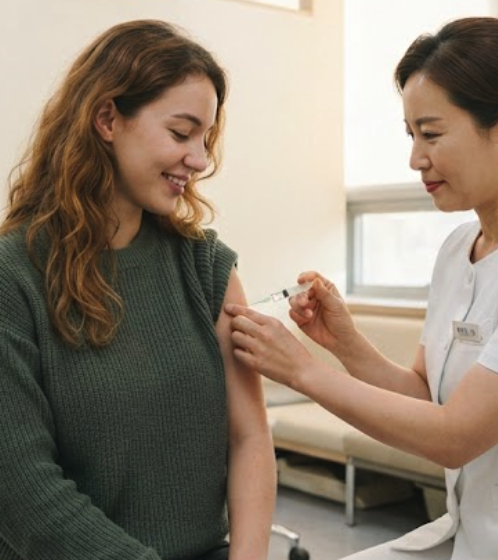
This guide explains how foreigners can receive vaccinations in Korea, including flu shots, COVID‑19 boosters, hepatitis A/B, tetanus, and other common vaccines.
⭐ Vaccinations for South Korea: What Travelers Need Before the Trip
Planning a trip and wondering which shots you need? The short answer: no vaccine is required to enter South Korea. Nobody checks a yellow fever certificate at the airport, and you won’t be asked for a COVID-19 record either.
That said, the US CDC (travel page reviewed in August 2026) suggests a few vaccines before you go:
- Routine vaccines: make sure MMR, Tdap, polio, chickenpox and your seasonal flu shot are up to date. Measles is the one CDC stresses for every international traveler.
- Hepatitis A: recommended for unvaccinated travelers aged 1 and older.
- Hepatitis B: recommended for unvaccinated travelers under 60.
- Japanese encephalitis: only for some travelers, such as people moving to Korea, staying a month or longer, or hiking and camping in rural areas. A short city trip to Seoul or Busan usually doesn’t call for it.
- Typhoid and rabies: rarely needed. Typhoid is worth asking about for long stays or rural travel, and rabies shots before the trip only make sense if you’ll work with animals or spend long stretches outdoors.
One thing that surprises many visitors: there is still a small malaria risk in Korea. From March to December it shows up in rural northern parts of Incheon, Gyeonggi and Gangwon, including the area around the DMZ. If a DMZ trip or a stay near the border is on your plan, ask your doctor whether you need malaria tablets.
Try to see a travel clinic about a month before you leave, so vaccines that need more than one dose have time to work. Forgot to do it at home? Korea is an easy place to catch up, and the rest of this guide explains where foreigners can get vaccinated once they arrive.
⭐ Are Foreigners Allowed to Get Vaccinated in Korea?
Yes.
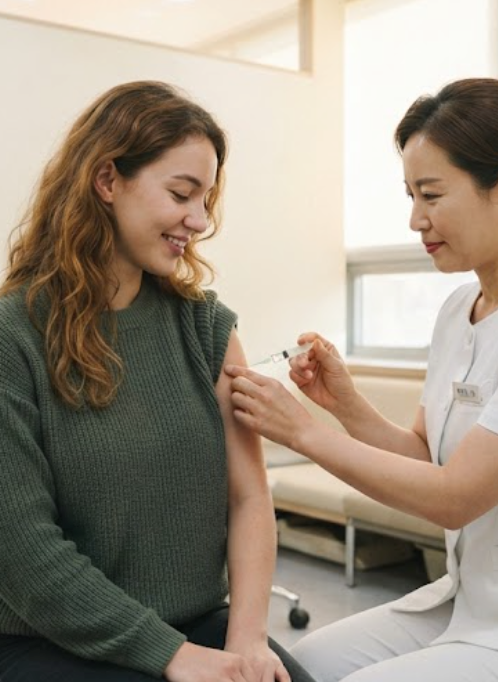
Foreigners can receive almost all standard vaccinations in Korea, including:
- Influenza (flu shot)
- COVID‑19 vaccines and boosters
- Hepatitis A
- Hepatitis B
- Tetanus (Td/Tdap)
- HPV (depending on age)
- Pneumonia vaccine
- Travel vaccines (varies by clinic)
If you have NHIS (National Health Insurance), many vaccines are discounted.
Even without NHIS, vaccination costs in Korea are generally affordable.
⭐ Where Foreigners Can Get Vaccinated
You have three main options:
1) Local Clinics (의원 / 내과)
The easiest and fastest option.
Most neighborhood clinics offer:
- Flu shots
- Hepatitis A/B
- Tetanus
- Pneumonia vaccines
Walk‑in is usually possible.
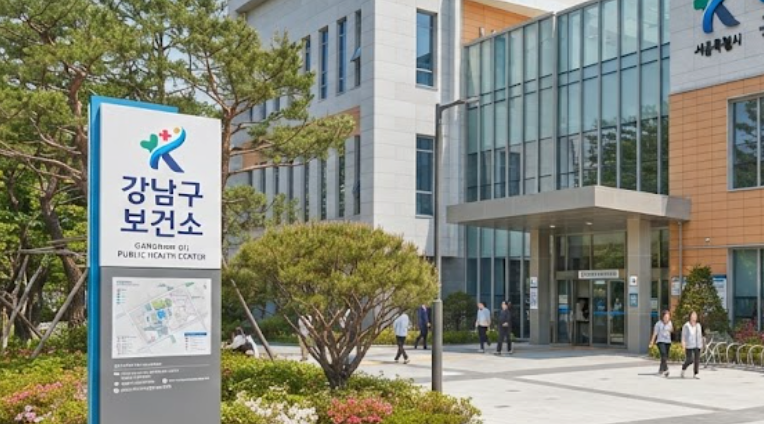
2) Public Health Centers (보건소)
The cheapest option.
Some vaccines are free or very low‑cost, especially for NHIS members.
Public health centers are foreigner‑friendly and often have English assistance.
3) Large Hospitals (International Clinics)
Best for:
- COVID‑19 boosters
- Travel vaccines
- Special vaccines
- English‑speaking staff
Hospitals like Samsung Medical Center, Asan Medical Center, and Severance have international departments.
⭐ How Much Do Vaccines Cost in Korea?
Prices vary depending on the clinic and whether you have NHIS.
Dollar amounts use the November 2026 exchange rate (₩1,000 ≈ US$0.75). Prices change often.
Flu Shot (Influenza)
- NHIS: US$0–$15 (₩0–₩20,000)
- Without NHIS: US$15–$30 (₩20,000–₩40,000)
Hepatitis A
- US$45–$75 (₩60,000–₩100,000) per dose
(2 doses required)
Hepatitis B
- US$15–$30 (₩20,000–₩40,000) per dose
(3 doses required)
Tetanus (Td/Tdap)
- US$15–$30 (₩20,000–₩40,000)
COVID‑19 Booster
- Often free or low‑cost
- Depends on government policy at the time
Pneumonia Vaccine
- US$30–$75 (₩40,000–₩100,000)
- Free for certain age groups with NHIS
Korea’s vaccination prices are significantly lower than in many Western countries.
⭐ What You Need to Bring
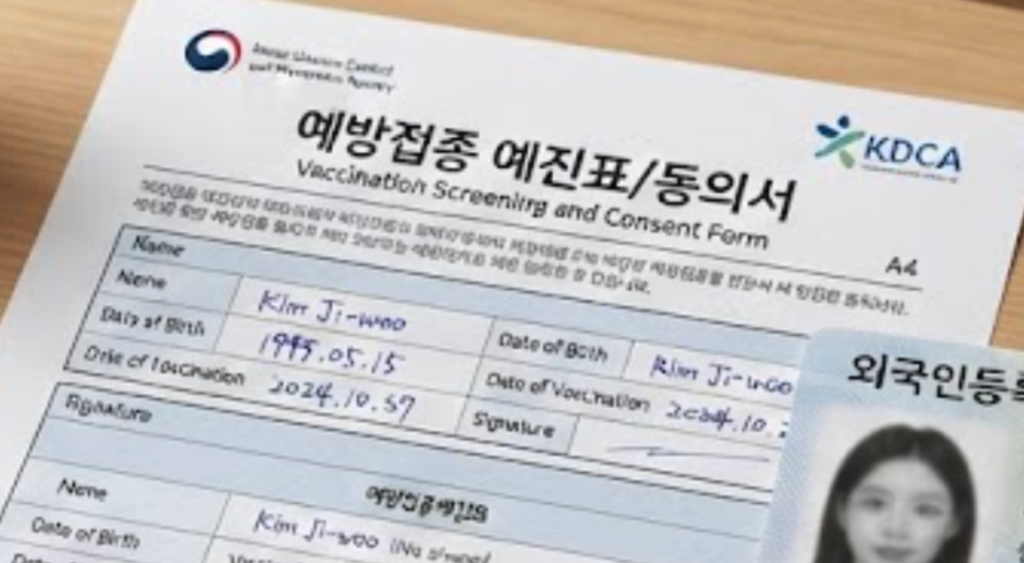
If you have NHIS:
- ARC (Alien Registration Card)
- NHIS membership (automatically verified)
If you don’t have NHIS:
- Passport
- ARC (if you have one)
- Payment method
Most clinics accept credit cards, mobile pay, and cash.
⭐ How to Get a Flu Shot in Korea (Most Searched by Foreigners)
Flu shots are extremely common in Korea.
Every fall, clinics display signs saying “독감 예방접종 가능”.
Steps:
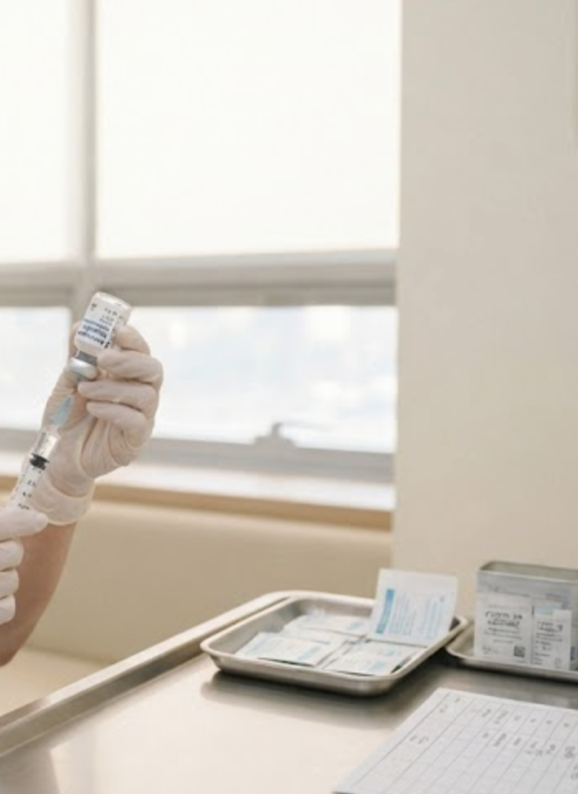
- Walk into any local clinic
- Say: “Flu shot, please.”
- Fill out a short form
- Receive the shot
- Pay at the counter
Total time: 5 minutes
No appointment needed.
⭐ How to Get a COVID‑19 Vaccine or Booster
COVID‑19 vaccination rules change depending on government policy, but generally:
- Foreigners with NHIS can receive boosters at public health centers or hospitals
- Foreigners without NHIS can still receive vaccines, but availability varies
Bring:
- ARC
- Passport
- Vaccination history (if available)
Public health centers are the easiest option.
⭐ Hepatitis A & B: Very Common Among Foreigners in Korea
Many foreigners get vaccinated for hepatitis A/B after arriving in Korea because:
- Hepatitis A is more common in Asia
- Hepatitis B is required for some workplaces
- Prices are much cheaper than in the US or Europe
Most clinics offer both vaccines.
⭐ Getting Travel Vaccines in Korea for Your Next Trip (Typhoid, Yellow Fever, etc.)
Only certain hospitals provide travel vaccines.
Search for:
- “International Clinic Seoul”
- “Travel Clinic Korea”
These clinics offer:
- Typhoid
- Yellow fever
- Japanese encephalitis
- Rabies
- Cholera
Prices vary widely.
⭐ Top 5 Questions Foreigners Ask About Vaccinations in Korea
Q1. Can I get vaccinated without NHIS?
Yes. You can receive most vaccines without insurance.
Q2. Do clinics speak English?
Large hospitals do.
Local clinics vary, but vaccination is simple enough that communication is easy.
Q3. Do I need an appointment?
Usually no — especially for flu, hepatitis, and tetanus.
Q4. Are vaccines safe in Korea?
Korea has one of the world’s most regulated and efficient vaccination systems.
Q5. Can tourists get vaccinated?
Yes, but options may be limited.
Long‑term residents have more access.
⭐ Why Korea’s Vaccination System Works So Well
Korea’s system is built on:
- Fast access
- Clear guidelines
- Affordable pricing
- High medical standards
- Widespread clinics
- Strong public health infrastructure
For foreigners, this means vaccinations are simple, safe, and stress‑free.
🔗 Official Links Foreigners Can Use (English Version)
1) NHIS — National Health Insurance Service
Official information for foreigners, insurance enrollment, fees, and coverage.
English site:
https://www.nhis.or.kr/english/index.do
2) KDCA — Korea Disease Control and Prevention Agency
Vaccination schedules, infectious disease updates, COVID‑19 information.
English site:
3) Ministry of Health and Welfare (MOHW)
Government health policies, vaccination announcements, foreigner medical guidance.
English site:
Related Posts


Discover more from Medi Korea 82
Subscribe to get the latest posts sent to your email.